

News
Mineral cable is a special type of cable that uses magnesium oxide powder as the insulation layer and copper tube as the sheath. It is a truly fire-resistant cable that can sustain power supply for 3 hours in a high temperature of 950 ℃ and can also work for a long time at a high temperature of 250 ℃.
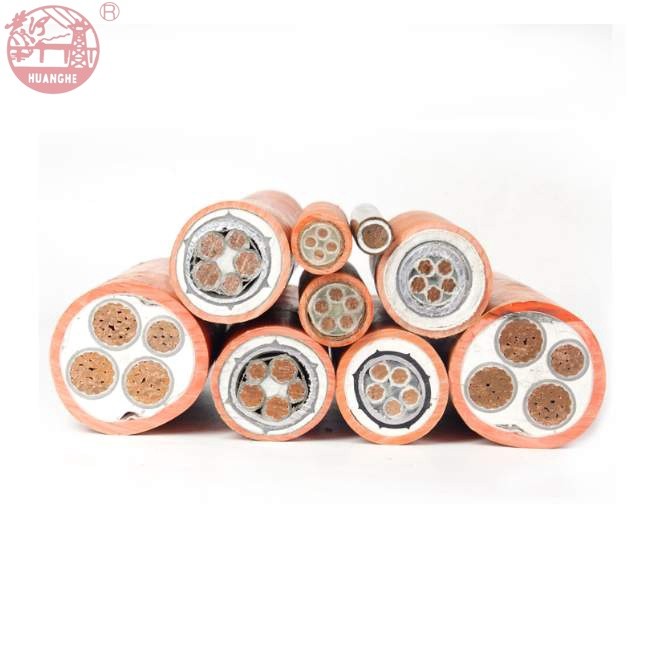
Why is it so fire-resistant and durable
The material itself cannot burn: the cable is composed entirely of inorganic substances (copper and magnesium oxide), with melting points as high as 1083 ℃ and 2800 ℃ respectively. It will not burn or release toxic smoke in a fire, and can continue to be used after the fire is extinguished.
Extremely long lifespan: Because inorganic materials do not age, their normal service life can reach over a hundred years, during which they can be disassembled and reused, which is three times longer than the lifespan of ordinary cables.
Higher current carrying capacity: Magnesium oxide has a better thermal conductivity than plastic and can transmit larger currents at the same operating temperature. Lines with a cross-sectional area of 16mm ² or more can even be reduced by one specification.
Strong protective performance: The copper sheath has good sealing, waterproof, explosion-proof, corrosion-resistant, and can also prevent rodent and ant bites, suitable for harsh environments with humidity or chemical corrosion.
Where must it be used
Fire power supply system: fire pumps, elevators, emergency lighting lines for high-rise buildings and commercial complexes, ensuring that fire equipment is not powered off in case of a fire.
Personnel intensive places: hospital operating rooms, subway stations, tunnels, airports, museums, etc., use their smoke-free and non-toxic characteristics to ensure the safety of personnel evacuation.
Extreme industrial environments: areas with high temperatures, corrosion, or explosion risks such as metallurgy, chemical engineering, and coal mines, where ordinary cables are not suitable for use.
Renovation of old buildings: Utilize the high fire rating and long lifespan of historically protected buildings or narrow old residential areas to reduce the frequency of secondary renovations.
How to choose between rigidity and flexibility
Rigid cables (such as BTTZ):
Characteristics: National standard model with the most stable fire resistance, but with high hardness and difficulty in bending, requiring specialized tools for construction.
Applicable to scenarios with extremely high fire prevention requirements and straight lines, such as main power supply lines. Encyclopedia
Flexible cables (such as NG-A, RTTZ):
Features: Small bending radius (up to 12 times the outer diameter), light weight, easy installation, no need for intermediate joints.
Applicable to complex pipelines, old renovations, or situations that require frequent bending inside buildings.
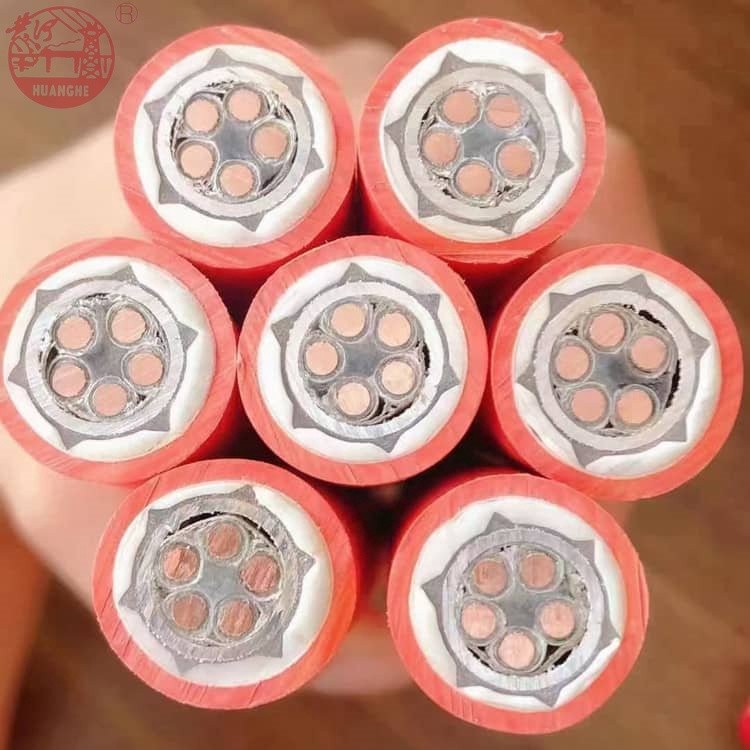
Selection suggestion:
Choose the flexible series for ordinary civilian fire protection circuits, which is more convenient to construct and meets the acceptance standards.
Choose models with high-strength outer sheaths for underground pipe galleries or high corrosion environments to prevent moisture and corrosion.
When purchasing, identify the standard testing report and avoid using non-standard products.