
News
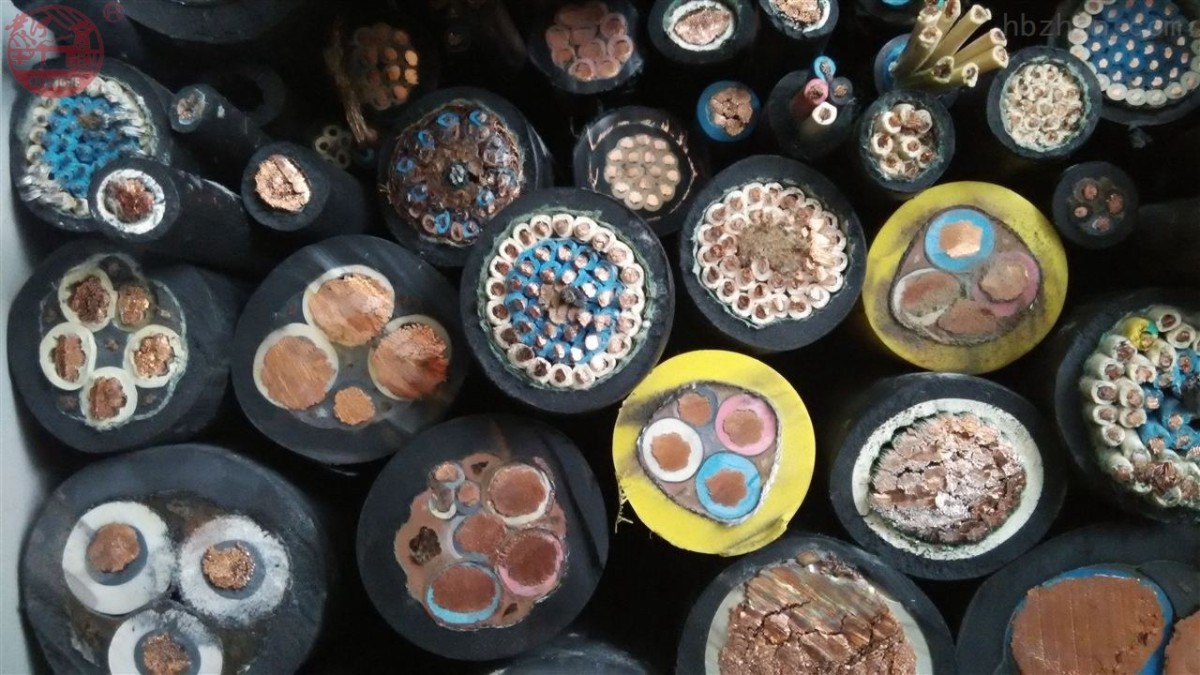
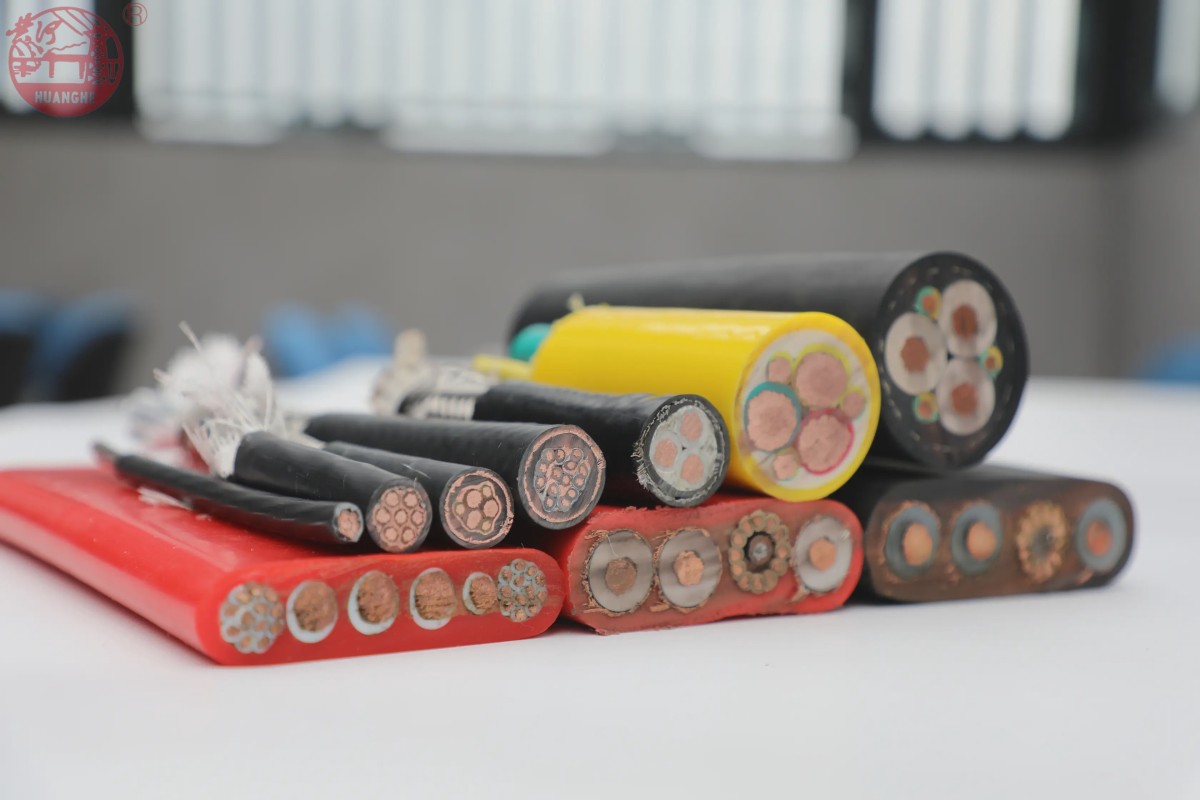
Marine cables are specially designed electrical cables used in ships, commercial vessels, offshore platforms, and other marine installations. Unlike conventional industrial cables, marine cables must withstand demanding operating conditions, including high humidity, salt-laden atmospheres, mechanical vibration, oil exposure, temperature variations, and, depending on the application, ultraviolet radiation and water exposure.
To ensure safe and reliable operation, marine cables must meet specific requirements for electrical performance, mechanical durability, flame retardancy, and environmental resistance. Their construction and testing must comply with the applicable marine cable standards and project specifications.
For shipyards, marine engineering contractors, offshore EPC companies, and international cable procurement professionals, selecting the correct marine cable is essential. An unsuitable cable may lead to installation problems, premature equipment failure, inspection difficulties, and additional maintenance costs.
This guide explains the essential marine cable requirements, common cable classifications, international standards, and five practical buying tips to help B2B buyers make informed procurement decisions.
1. Core Performance Requirements for Marine Cables
One common procurement mistake is assuming that ordinary industrial cables can automatically replace marine-grade cables. Although some industrial cable designs may be suitable for particular marine applications, marine installations generally require additional consideration of environmental conditions, fire safety, mechanical performance, and applicable marine regulations.
The following are important performance characteristics to evaluate when purchasing marine cables.
1.1 Corrosion and Moisture Resistance
Marine environments expose electrical cables to high humidity, salt spray, and potentially corrosive atmospheres. Cable conductors, insulation, and outer sheaths must therefore be selected to suit the installation environment.
Tinned copper conductors are commonly used in marine cable designs because tin plating helps improve resistance to oxidation and corrosion. Suitable insulation and sheath compounds also help protect the cable against moisture and environmental exposure.
However, the actual corrosion resistance depends on the complete cable construction and the applicable product specification.
1.2 Mechanical Strength and Vibration Resistance
Shipboard cables are exposed to continuous vibration from engines, generators, pumps, and other onboard equipment.
Marine cables must have suitable conductor construction, insulation, sheathing, and mechanical properties to withstand the expected installation and operating conditions.
Stranded copper conductors are commonly used to provide suitable flexibility during installation. However, cables intended for continuous movement or repeated flexing require specially designed constructions rather than ordinary fixed-installation marine cables.
1.3 Flame Retardancy and Low-Smoke Performance
Fire safety is an important consideration in shipbuilding and offshore engineering.
Depending on the vessel design, installation location, and project specification, marine cables may require flame-retardant, low-smoke, and halogen-free properties.
LSZH (Low Smoke Zero Halogen) cable sheaths are widely used in applications where reduced smoke emission and halogen-free combustion characteristics are required.
These properties can help improve visibility during evacuation and reduce exposure to corrosive halogen-containing combustion gases.
Buyers should distinguish between flame retardancy and fire resistance:
·Flame retardancy: Helps limit flame propagation under specified test conditions.
·Fire resistance: Allows a cable to maintain circuit integrity for a specified period under defined fire-test conditions.
·Low-smoke performance: Limits smoke generation during combustion.
·Halogen-free performance: Limits the release of halogen-containing gases during combustion.
These characteristics require separate verification through the relevant test standards.
1.4 Oil, Chemical and UV Resistance
Marine cables installed in engine rooms, machinery spaces, and offshore facilities may be exposed to lubricating oils, fuels, cleaning chemicals, and other substances.
For these applications, buyers should specify appropriate oil-resistant and chemical-resistant insulation or sheath materials.
Cables installed on exposed decks or outdoor offshore structures may also require UV-resistant outer sheaths to withstand prolonged sunlight exposure.
The required resistance level should be confirmed against the cable standard and actual operating environment.
2. Marine Cable Classifications and Applications
Marine cables can be classified according to their electrical function, transmission purpose, construction, and installation environment.
For general procurement purposes, four commonly encountered categories are marine power cables, marine control cables, marine instrumentation and communication cables, and special offshore or subsea cables.
2.1 Marine Power Cables
Marine power cables are used to distribute electrical power throughout ships and offshore facilities.
Typical applications include:
·Main and auxiliary power distribution.
·Generator and switchboard connections.
·Engine room electrical equipment.
·Lighting and onboard power systems.
·Pumps, motors, and other electrical machinery.
Depending on the voltage rating and application, marine power cables may use XLPE, EPR, HEPR, or other suitable insulation materials.
Outer sheath materials may include PVC, LSZH, or other specialized marine-grade compounds, depending on the required fire, oil, moisture, and environmental performance.
Common voltage ratings include 0.6/1 kV and 1.8/3 kV, while medium-voltage designs are available for applications requiring higher voltage ratings.
2.2 Marine Control Cables
Marine control cables transmit control signals between electrical equipment, control panels, monitoring systems, and automation devices.
Typical applications include:
·Engine control systems.
·Generator control circuits.
·Pump and motor control.
·Switchgear and distribution panel connections.
·Ship automation systems.
Depending on the electromagnetic environment, control cables may incorporate individual or overall shielding to reduce electromagnetic interference (EMI).
Buyers should select shielded or unshielded constructions according to the signal requirements, cable routing, and equipment manufacturer's recommendations.
2.3 Marine Instrumentation and Communication Cables
Marine instrumentation and communication cables are designed for signal transmission in monitoring, measurement, navigation-support, and communication systems.
Typical applications include:
·Temperature and pressure measurement.
·Instrumentation and monitoring systems.
·Alarm and detection systems.
·Data transmission and communication networks.
·Shipboard control and monitoring equipment.
These cables may use twisted pairs, individual screens, overall screens, or combined shielding constructions.
The appropriate cable design depends on signal type, transmission distance, interference conditions, and the required electrical characteristics.
2.4 Special Offshore and Subsea Cables
Special offshore and subsea cables are designed for demanding applications in offshore energy, marine engineering, and underwater installations.
Depending on the application, they may require additional characteristics such as:
·Enhanced tensile strength.
·Water-blocking or longitudinal water resistance.
·Radial water resistance.
·Mechanical impact and abrasion resistance.
·Pressure resistance.
·Corrosion-resistant armour.
·Special bending and dynamic fatigue performance.
Typical applications include offshore wind facilities, offshore oil and gas platforms, subsea power connections, and underwater monitoring systems.
It is important to distinguish conventional shipboard marine cables from subsea power cables and dynamic offshore cables. These products have different design requirements and should not be treated as interchangeable.
3. International Marine Cable Standards and Certification Requirements
Compliance with recognized marine cable standards is an important consideration for shipbuilding, marine electrical installations, and offshore engineering projects.
The required standard and certification depend on the cable type, vessel classification, installation location, flag-state regulations, and project specifications.
3.1 Important International Marine Cable Standards
IEC 60092 Series
The IEC 60092 series covers electrical installations in ships, including requirements for shipboard power, control, and instrumentation cables.
Relevant parts include:
·IEC 60092-350: General construction and test methods for power, control, and instrumentation cables.
·IEC 60092-353: Power cables for rated voltages of 1 kV and 3 kV.
·IEC 60092-354: Single- and three-core power cables for rated voltages from 6 kV to 30 kV.
·IEC 60092-360: Insulating and sheathing materials for shipboard and offshore cables.
·IEC 60092-376: Control and instrumentation cables for shipboard and offshore applications.
The applicable edition and cable-specific requirements should always be confirmed before ordering.
IEEE 1580
IEEE 1580-2021 provides recommended practices for marine cables installed aboard ships and on fixed or floating offshore facilities.
It addresses cable construction and performance considerations for marine power, signal, control, data, and specialty cable applications.
Other Regional and Industry Standards
Depending on the target market and project requirements, buyers may encounter additional standards, including:
·BS 6883: British standard for marine electrical power, control, and instrumentation cables.
·NEK 606: Norwegian standard for offshore cable requirements, including relevant oil and drilling-fluid resistance and mud-resistant cable applications.
·JIS C 3410: Japanese standard covering shipboard cables.
·UL 1309: Standard for marine shipboard cables in the North American market.
·UL 1426: Standard covering boat cable applications.
Buyers should confirm the latest applicable editions and the exact scope of each standard.
3.2 Marine Classification Society Approvals
Marine cable approval requirements vary according to vessel classification, project specifications, and the applicable regulatory framework.
Major international classification societies include:
·DNV (Det Norske Veritas).
·ABS (American Bureau of Shipping).
·BV (Bureau Veritas).
·LR (Lloyd's Register).
·ClassNK (Nippon Kaiji Kyokai).
Depending on the project, the cable manufacturer may be required to provide valid type approval certificates, product certificates, test reports, or other supporting technical documentation.
Importantly, a cable meeting an IEC or IEEE standard does not automatically mean it has approval from every classification society.
CE marking and RoHS compliance should also be assessed separately where relevant. They are not universal substitutes for marine type approval or vessel-specific compliance.
Before placing an order, buyers should confirm which certificates are explicitly required by the shipyard, vessel owner, classification society, or end customer.
4. Five Professional Tips for Buying Marine Cables
Selecting marine cables involves more than comparing prices and conductor sizes. Buyers should evaluate the actual operating environment, technical specifications, certification requirements, and cable construction before making a purchasing decision.
Here are five practical tips for international marine cable procurement teams.
4.1 Select Cables According to Installation Conditions
Different shipboard and offshore locations require different cable characteristics.
For example:
·Engine rooms: Consider temperature resistance, oil resistance, flame retardancy, and suitable mechanical protection.
·Open decks: Check UV resistance, moisture resistance, temperature range, and weather-resistant sheath properties.
·Accommodation areas: Confirm applicable flame-retardant, smoke-emission, and halogen-free requirements.
·Control rooms: Evaluate shielding requirements and electromagnetic compatibility.
·Offshore and subsea installations: Specify the necessary water resistance, pressure resistance, tensile strength, and mechanical protection.
Selecting cables according to their actual installation conditions helps prevent unnecessary costs and technical problems.
4.2 Verify Standards and Certification Documents
Before bulk purchasing, request and review the relevant technical documentation.
Important documents may include:
·Cable technical datasheets.
·Manufacturer's test reports.
·IEC or other applicable standard compliance documentation.
·Classification society type approval certificates, where required.
·Conductor and insulation specifications.
·Routine and type-test reports, as applicable.
Buyers should verify the certificate holder, product scope, model designation, validity, and applicable manufacturing location.
Do not assume that a manufacturer's general certificate automatically covers every cable type in its product range.
4.3 Determine Whether Shielded or Unshielded Cables Are Required
Shielding is an important consideration for marine instrumentation and control cable selection.
Shielded cables are commonly used in applications involving sensitive signals or potential electromagnetic interference from motors, generators, power cables, and other electrical equipment.
Unshielded cables may be suitable for conventional applications where electromagnetic interference is not a significant concern and the project specification permits their use.
The final decision should be based on signal characteristics, cable routing, grounding arrangements, and equipment requirements.
4.4 Check Conductor, Insulation and Sheath Materials
The conductor and insulation materials directly affect cable electrical and mechanical performance.
When evaluating marine cable construction, pay attention to:
·Conductor: Copper or tinned copper, with the required IEC 60228 conductor class.
·Insulation: XLPE, EPR, HEPR, PVC, or another material specified for the application.
·Inner covering: Appropriate fillers, bedding, or protective layers where required.
·Armour: Steel wire, steel tape, or other suitable protection depending on mechanical and electromagnetic requirements.
·Outer sheath: PVC, LSZH, or specialized marine-grade compounds with the required environmental resistance.
Tinned copper conductors are commonly used in marine applications, but the correct conductor material should be determined by the applicable cable standard and project specification.
Likewise, XLPE and LSZH are not universal requirements for every marine cable. Different cable constructions are available for different operating conditions.
4.5 Match the Cable Voltage Rating to the Electrical System
Voltage rating is one of the most important parameters in marine cable procurement.
Common low-voltage marine power cable ratings include:
·0.6/1 kV (1.2 kV): Commonly used in shipboard low-voltage distribution systems.
·1.8/3 kV (3.6 kV): Used in applicable higher-voltage shipboard and offshore power systems.
·3.6/6 kV, 6/10 kV, and higher ratings: Available for suitable medium-voltage applications, depending on the applicable standard and cable design.
The correct voltage rating must be selected according to the system voltage, grounding arrangement, equipment requirements, and applicable marine electrical installation standards.
Do not select a cable based only on its nominal voltage. Confirm the complete voltage designation, such as U₀/U (Uₘ), and ensure that it is suitable for the intended electrical system.
5. Conclusion
Marine cables play an essential role in the safe and reliable operation of ships, offshore platforms, and marine electrical installations.
For international procurement professionals, understanding marine cable requirements, classifications, applicable standards, and material configurations is essential to making the right purchasing decisions.
Before selecting a marine cable supplier, buyers should carefully evaluate the cable's electrical performance, environmental resistance, mechanical characteristics, manufacturing quality, and required certification documents.
In 2026 and beyond, demand for reliable marine and offshore cable solutions will continue to support the development of global shipbuilding, offshore energy, and marine engineering projects.
Working with an experienced cable manufacturer can help procurement teams obtain suitable technical solutions, accurate quotations, and dependable manufacturing support for their projects.
Looking for a reliable marine cable manufacturer?
Huanghe Cable Group provides professional cable manufacturing and technical support for international cable procurement projects. Contact our team to discuss your marine cable specifications, voltage ratings, required standards, and project quantities.
6. Frequently Asked Questions About Marine Cables
Q1: What is the difference between marine cables and ordinary industrial cables?
Marine cables are designed and tested for shipboard and offshore operating conditions. Depending on the application, they may require additional resistance to moisture, oil, vibration, flame propagation, smoke emission, and other environmental factors. Ordinary industrial cables should not automatically be considered suitable for marine installations without checking the relevant requirements.
Q2: Are LSZH marine cables better than PVC marine cables?
Neither material is universally better for every application. LSZH sheaths are preferred where low smoke emission and halogen-free combustion characteristics are required. PVC cables may also be suitable for certain marine applications when their construction meets the applicable standards and project requirements. Buyers should select the sheath material according to the vessel specification and installation environment.
Q3: What certifications are required for marine cable exports?
Requirements depend on the destination market, vessel classification, and project specifications. Common documentation includes applicable IEC or IEEE compliance evidence, manufacturer test reports, and classification society type approval or product certificates where required. CE and RoHS documentation may also be relevant for particular markets and products.
Q4: Why are tinned copper conductors commonly used in marine cables?
Tinned copper conductors have a protective tin coating that helps improve resistance to oxidation and corrosion, particularly in humid and salt-laden environments. They are widely used in marine cable designs. However, conductor material and construction must still comply with the applicable product specification.
Q5: Do all marine cables need to be waterproof?
No. Not all marine cables are designed for direct water immersion or underwater installation. Standard shipboard cables may provide suitable moisture resistance for their intended installation conditions, while subsea and underwater cables require additional water-blocking, water-resistance, and mechanical protection features. Buyers should specify the actual exposure conditions when selecting cables.