
News
Overview of EV cables
EV cable, also known as electric vehicle cable, is a cable specifically designed for electric vehicles to transmit electrical energy. With the rapid development of the electric vehicle industry, the importance of EV cables is becoming increasingly prominent. They are like the "blood vessels" of electric vehicles, undertaking the key task of providing power for vehicles.
Product Structure and Materials
conductor
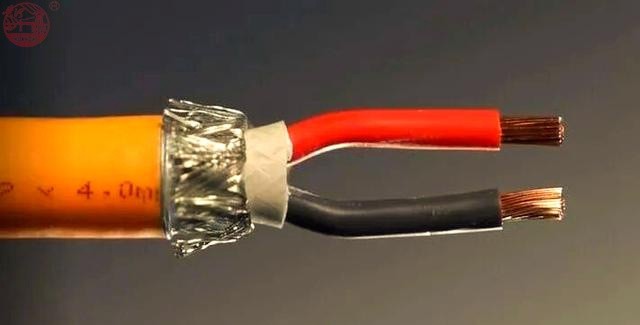
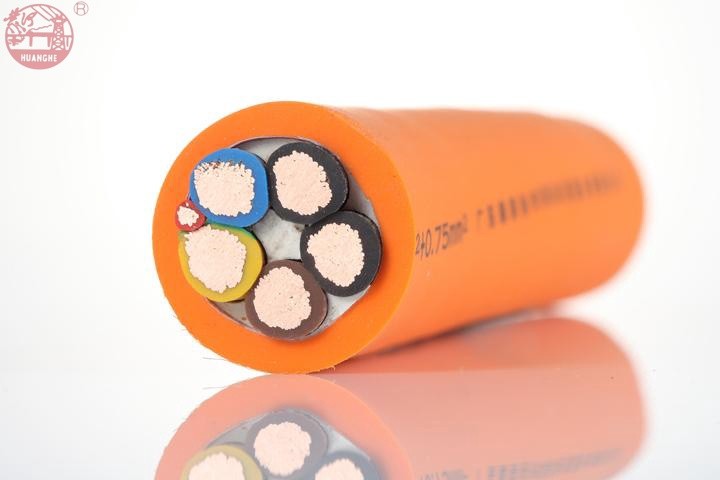
High purity copper or aluminum is usually used as the conductor material. Copper conductors have good conductivity, thermal conductivity, and flexibility, which can effectively reduce losses during the transmission of electrical energy and improve charging efficiency. Aluminum conductors have the advantages of light weight and low cost, and are widely used in some applications that are sensitive to weight and cost.
The structure of conductors is generally multi stranded, which can increase the flexibility and bending performance of cables, making them more suitable for laying in the limited space of electric vehicles.
insulating layer
The insulation layer is an important component of EV cables, and its main function is to prevent current leakage and ensure electrical safety. Common insulation materials include cross-linked polyethylene (XLPE), polyvinyl chloride (PVC), etc.
XLPE has excellent electrical insulation performance, heat resistance, and chemical corrosion resistance, and can operate stably for a long time at high temperatures. PVC has good flexibility, weather resistance, and flame retardancy, and its cost is relatively low.
sheath layer
The sheath layer is located at the outermost layer of the cable and mainly serves to protect the internal structure of the cable. It needs to have properties such as wear resistance, oil resistance, UV resistance, and high and low temperature resistance to adapt to the complex usage environment of electric vehicles.
Common sheath materials include thermoplastic elastomers (TPE), polyurethane (PU), etc. TPE has good flexibility and elasticity, and is easy to process and shape; PU has higher wear resistance and cutting resistance.
Performance characteristics
high conductivity
EV cables need to transmit a large amount of electrical energy in a short period of time, therefore requiring conductors to have high conductivity. High conductivity can reduce the resistance of cables, minimize energy loss, improve charging efficiency, and also reduce cable heating, extending the service life of cables.
high voltage resistant
The charging system of electric vehicles usually uses high voltage, so EV cables need to have good high voltage resistance performance. Generally speaking, the rated voltage of EV cables can reach several hundred volts or even thousands of volts to meet the charging needs of different electric vehicles.
good flexibility
Due to the limited internal space of electric vehicles, cables need to be bent and moved frequently, therefore requiring EV cables to have good flexibility. Good flexibility can facilitate the laying and installation of cables, reducing damage to cables during bending.
Strong temperature resistance
During the use of electric vehicles, cables are affected by the heat generated during charging, discharging, and other processes, as well as the ambient temperature. Therefore, EV cables need to have good temperature resistance and be able to operate normally over a wide temperature range. Generally speaking, the working temperature range of EV cables can reach -40 ℃ to 125 ℃.
high security
The safety of EV cables is crucial, as they need to have flame-retardant, fire-resistant, and leak proof properties to ensure the safe use of electric vehicles. Some high-quality EV cables also adopt special structural designs and materials, such as double-layer insulation, shielding layers, etc., further improving the safety of the cables.
Application scenarios
Electric vehicle charging
This is the main application scenario of EV cables, including AC charging and DC charging. AC charging cables are generally used for slow charging in places such as homes and public parking lots; DC charging cables are used for fast charging stations, which can fully charge electric vehicles in a short period of time.
Internal wiring of electric vehicles
EV cables are also used for wiring electrical systems inside electric vehicles, such as battery management systems, motor control systems, etc. These cables need to have good electromagnetic compatibility to avoid interfering with the normal operation of other electronic devices.